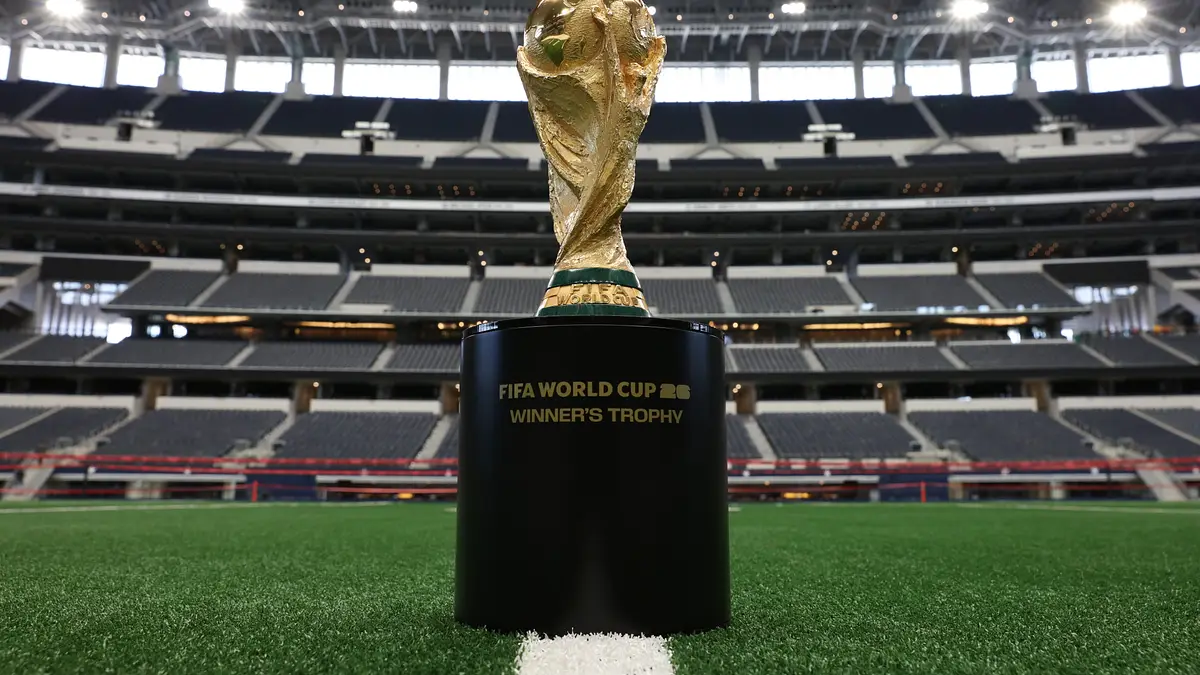
The FIFA World Cup 2026 is poised to usher in a new era for international football with significant transformations. The first game of the tournament will begin in Mexico City on June 11, where Mexico will take on South Africa, and the final fixture will be in New York on 19 July.
It will be hosted in three countries for the first time and already a historic edition. It also doubles from 32 to 48 teams, the largest World Cup ever. The change adds more countries to the competition and adds even more matches.
There will be a tight 17-day schedule for fans, with successive group stage football matches. Up to five matches will be played each day, with various time slots from noon to 10pm ET. This will ensure that football action will be continuous across the world for the early stages of the competition.
FIFA World Cup 2026 will also feature a number of new laws, designed to enhance playability and improve the discipline in matches. A new rule aimed at curbing time wasting is that goalkeepers can now only restart play after five seconds. Play will also be called more harshly on players who cover their mouths during on-field confrontations as it is hoped referees will be more transparent and fair.
The updates are part of FIFA’s overall efforts to make the sport quicker, more entertaining and more enjoyable to watch. But they’ll also need to make sure teams adjust to the changes and adapt fast, particularly in knockout stages where minor rule changes can make a significant difference.
Coaches and analysts will have to tweak their game plans, especially in the manner of managing the game and defensive organization.