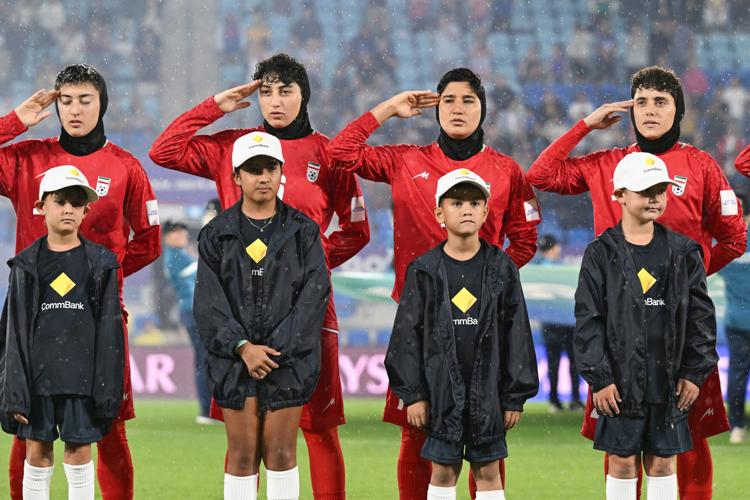
Uncertainty over the participation of Iran in the world cup 2026 due to the queries being raised by the national football team on whether it would take part in the world cup 2026. Though Iran has so far achieved the qualification, political, institutional, and economic issues have brought severe doubts of whether it will indeed participate.
In case Iran ultimately chooses to pull out, it would be part of a few countries that have pulled out of the World Cup despite qualifying. The history of such withdrawals has led FIFA to make changes to the structure of tournaments, such as transferring matches, reassigning groups, and changing schedules to allow a fair competition.
The motivation of possible non-participation is varied. There have been political tensions, money troubles and internal football administrative problems, which have contributed to similar cases in the past. The case of Iran is a lesson to the fans, analysts and global observers that the issues that happen off the field can affect the most prestigious football tournament in the world directly.
FIFA has not provided any opinions on the contingency plans, though organization usually makes plans to cover every case in order to ensure the integrity of the tournament. Besides Iran, some examples exist in the past when countries either withdrew because of political boycotts or conflict and this proves the fact that external forces may have very strong effects on the world football.
To football fans and the audience of the world cup, the uncertainty regarding Iran complicates predictions of the tournament. In the next few months fans will await news of the official changes, though sports media will keep speculating on the competitive balance, representation in the tournament and the regional representation.
At the end of it all, the scenario reflects where football collides with politics and economics, and how the critical aspect of governance and stability are in making teams able to compete even internationally.

