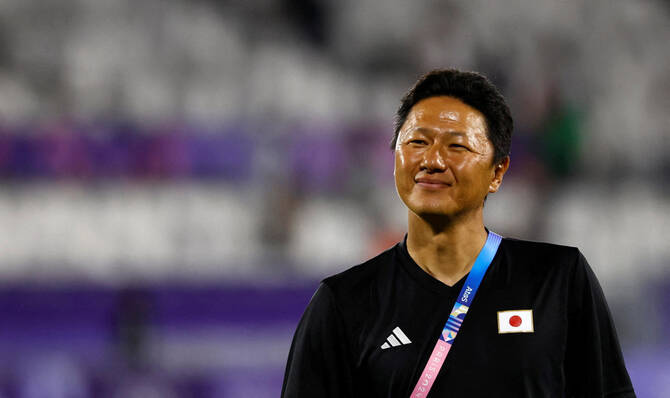
Moriyasu Asian Cup objective has been clearly defined as Japan extend head coach Hajime Moriyasu’s tenure through the 2027 continental tournament, positioning it as his final competitive cycle before a planned managerial transition. Under-21 manager Go Oiwa will take over from Moriyasu when the Asian Cup draws to a close and the senior team will remain under his wing until then, the Japan Football Association (JFA) confirmed. The structured succession model is one that dovetails into long-term federation planning, the short-term competitive goal with a long-term preparation cycle for 2030 World Cup.
Japan has been led by Moriyasu since 2018, and he has played a pivotal role in the team’s transformation and sustained global footprint. His extension is not short-term performance dependent, but is based on results, meaning continental results. The institutional aspect is the creation of a “final mandate” system, with a significant tournament of transition in between. The Asian Cup is no longer just a competition, but a legacy benchmark as well. Moriyasu has officially affirmed that his goal has not altered with how long he’s been in office, repeating the country’s ultimate goal of winning the World Cup by 2050.
This means that strategic continuity is evident beyond the coaching cycle with the vision of the federation influencing managerial appointments. The appointment of Go Oiwa as successor is also indicative of faith in internal development channels. Moving from Under-21 leadership to the senior formation also guarantees tactical consistency and continuity of players through the system, especially as Japan is developing younger players into its national team. Japan’s ability to contend for the Asian Cup is based on their strength in the region and the fact they have realistic expectations of competing for the title.

