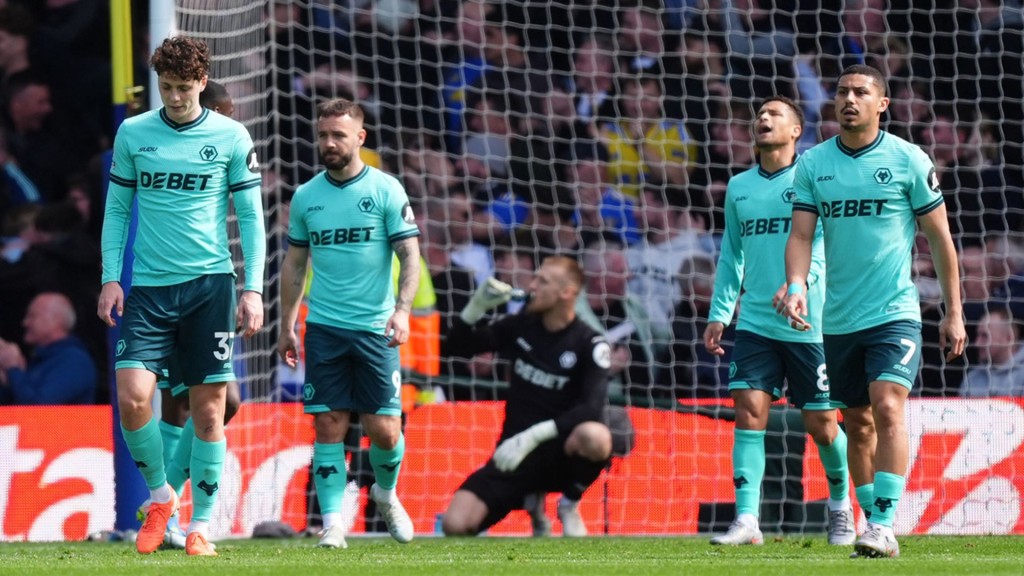
The banishment of wolves is now officially established and the long history of Wolverhampton Wanderers in the premier league has ended after eight years of successive seasons.
The confirmation was after a goalless draw between West Ham United and Crystal Palace, which mathematically eliminated Wolves. They have only 17 points out of 33 games and being at the bottom of the table is a sign that they have had a season of steady difficulty and not late failure.
As far as performance is concerned, Wolves did not develop momentum at any point. Their failure to turn draws into wins and not being efficient in attacks cost them in the long run. Defensive shortcomings also added to the problem as they were incapable of competing with mid-table side, not to mention survival rivals.
This exclusion also points out more structural issues in the club. The imbalance in the squads, injuries, and unstable tactical direction seem to have contributed to their downfall. In comparison to the past seasons when Wolves have been dependent on resiliency and organization, the current campaign revealed some obvious flaws in the strategy and performance.
To the club, relegation has direct financial and sporting ramifications. Top-flight football revenue will decline and star players can now have transfer bids by more professional teams. Meanwhile, it will be a time of restructuring and training to be ready to the demands of the Championship.
In the future, Wolves now has to take crucial decisions on management, recruitment and long term vision. Another swift shift back to the premier league can be achieved but with a clear and stable plan.
After all, this relegation is not merely a case of a single bad season. It is an indication of a steady deterioration that the club will now have to deal with in decisive way.